Who Invented Birthdays?
Ever wonder who we have to thank for birthday cake, candles, and awkwardly singing in public once a year? Spoiler alert: it wasn’t your grandma (although she does make a mean chocolate cake). Let’s rewind through history and uncover who actually invented birthdays—and it’s not who you think.
Picture this…
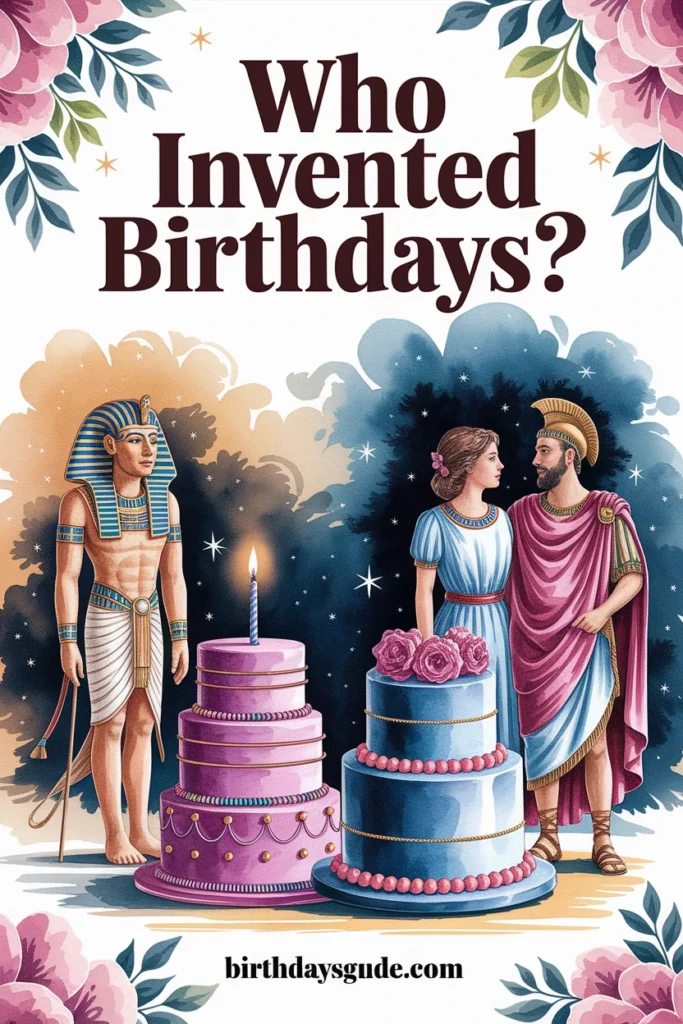
You’re in Ancient Egypt. Sand stretches as far as the eye can see. A new pharaoh is being crowned. People gather, drums are beating, and the air feels electric. This wasn’t just a royal ceremony—it was seen as a kind of rebirth.
Pharaohs didn’t celebrate their actual birthdates. Instead, their “birthday” was the day they became gods on Earth. No balloons. Just sacred rituals, offerings, and lots of divine drama.
So who really started birthdays?
Let’s time travel through history for some answers.
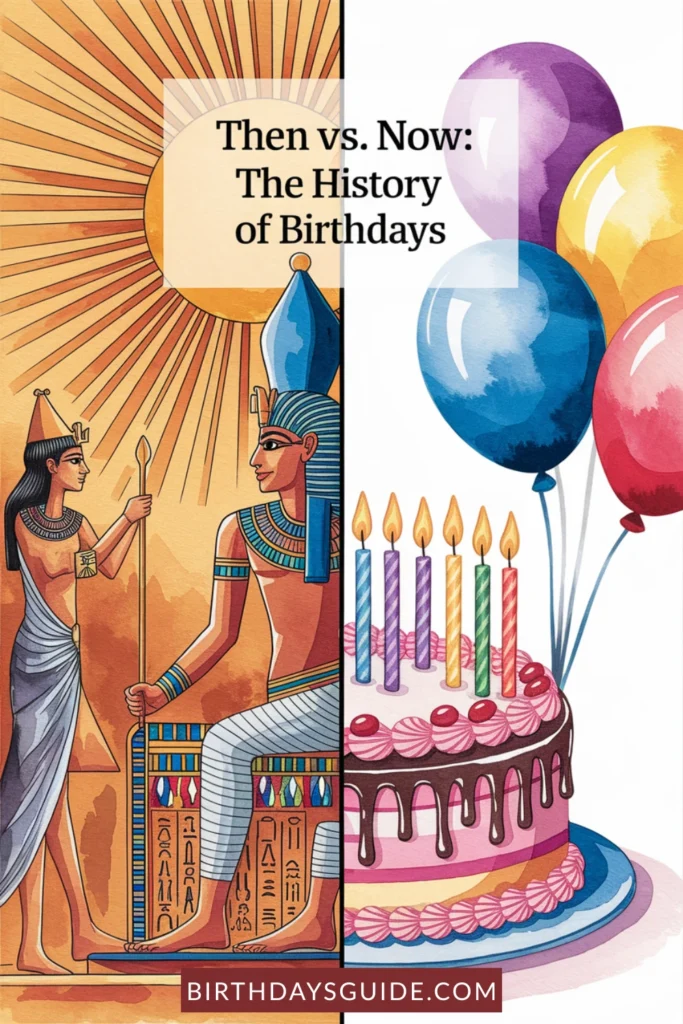
Ancient Egypt
- Celebrated pharaohs, not regular people
- Focused on the day of coronation, seen as a divine “birth”
Ancient Greece
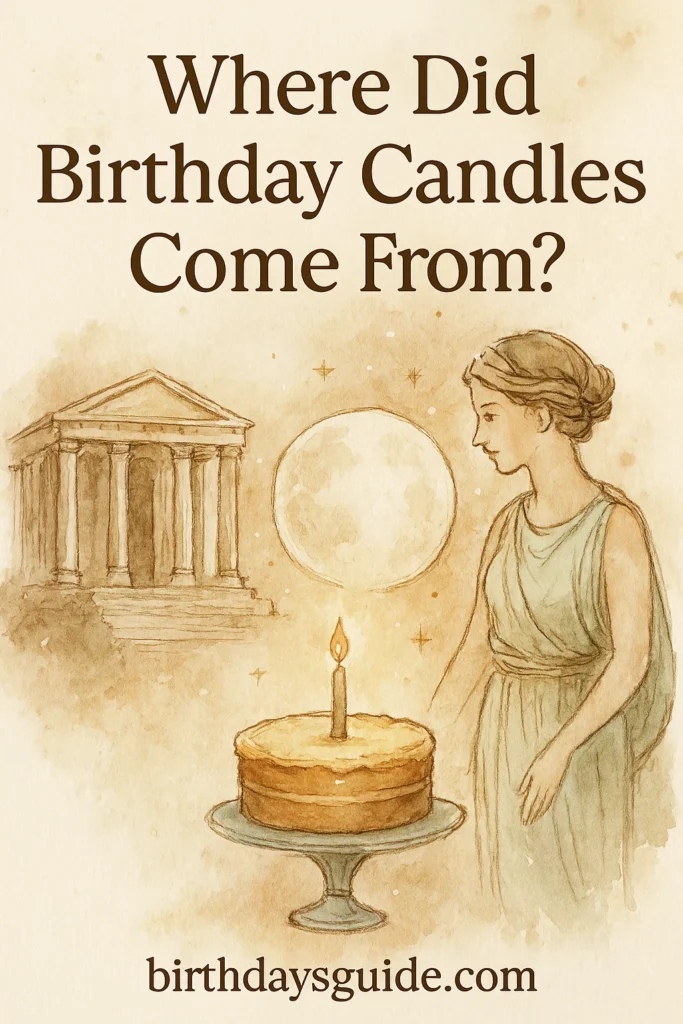
- Honored Artemis, goddess of the moon, with moon-shaped cakes
- Added candles to make the cakes glow like moonlight
- This is where the candle tradition likely began
Ancient Rome
- The first real human birthday celebrations
- Only men were celebrated—women had to wait until much later
- Included parties, gifts, and even government-recognized birthdays for important figures
Early Christians
- Initially rejected birthdays as pagan
- Eventually came around—Christmas is the most famous example
- Over time, religious resistance faded and birthday celebrations became more accepted
When did everyday people start having parties?
By the 1700s, kids in Germany were celebrating “Kinderfeste,” complete with cake and candles. It was one of the first recorded versions of the modern child’s birthday party.
In the 1800s, mass printing made birthday cards popular, especially in Victorian England. It became a polite (and low-effort) way to show someone you cared.
By the 20th century, birthdays looked a lot more like what we know today—cake, candles, the Happy Birthday song, and maybe a few streamers for good measure.
Quick facts you probably didn’t know
- The Happy Birthday song started as a completely different tune called “Good Morning to All”
- The tradition of one candle per year of life began in Germany
- Romans gave birthday gifts like coins, jewelry, or food—no gift cards back then
So… who invented birthdays?
It wasn’t one person or even one culture. Birthdays evolved over thousands of years—from sacred rites for gods and kings to modern-day reasons to eat cake and throw confetti.
And while the traditions may have changed, the feeling behind them hasn’t: being remembered, celebrated, and loved for just being you.
Want to dive deeper into birthday traditions around the world? Or explore where birthday cake flavors come from? Let me know and I’ll dish out the details.